For scent and colour
Orchid house
Glass and garden
See the toursLocate your stop
Map of 39 stops
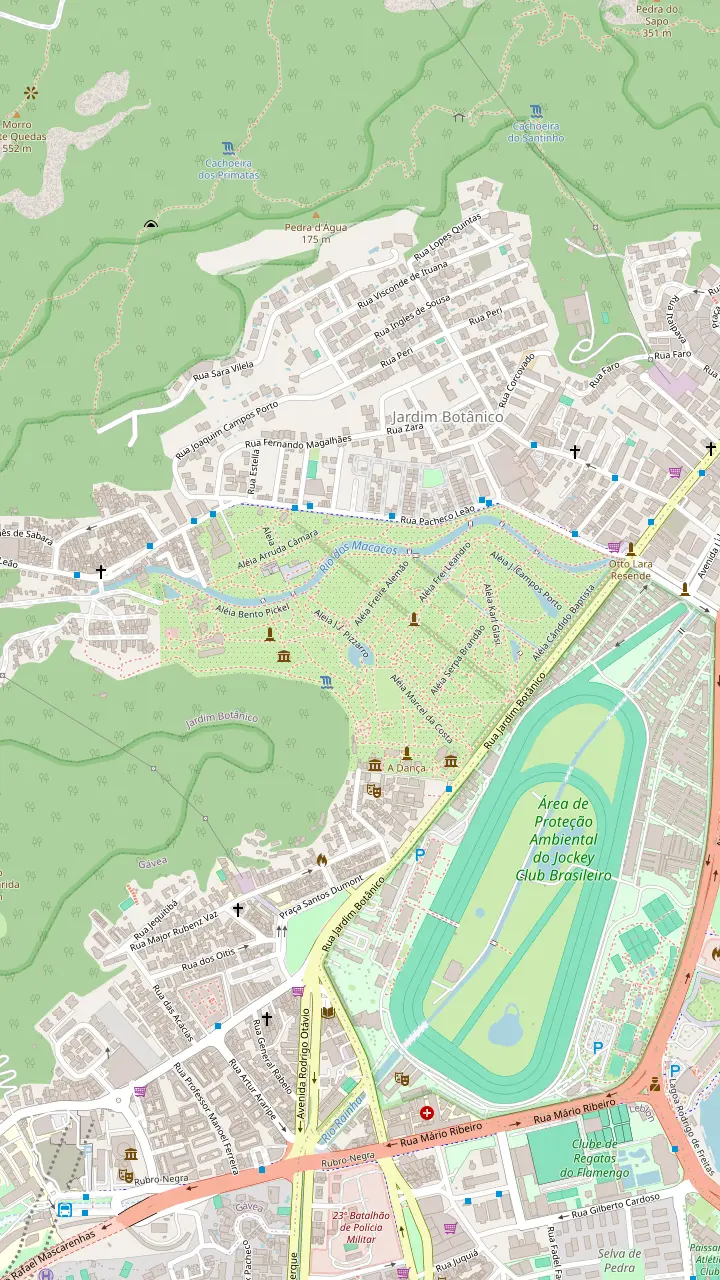
Pick a route, then tap a marker or a stop for notes and a Google Maps link.
Questions about wheelchairs go to the Visitor Centre before the visit.
Google MapsA named fountain on the garden map. One 4 hour listing names it among its highlights.
Google MapsThe lake where giant water lilies float and a snake-necked turtle sometimes rests on a pad.
Google MapsThe glass orchid house is an icon of the garden, with an outdoor orchid garden around it.
Google MapsThe Bromeliario honours Roberto Burle Marx and opened in 1975.
Google MapsOne of the garden's four greenhouses of orchids, bromeliads, ferns and insectivorous plants.
Google MapsThe Japanese Garden dates from 1935 and began with a donation of 65 plants.
Google MapsThe Sensory Garden is a stop on the 4 hour site tour.
Google MapsThe Casa dos Pilões, a small museum, is named among the points a 5 hour private tour visits.
Google MapsThe most famous turtles live at the Turtle Lake and can be seen in the sun every day.
Google MapsThe Portal of the Academy of Fine Arts was designed by Grandjean de Montigny.
Google Maps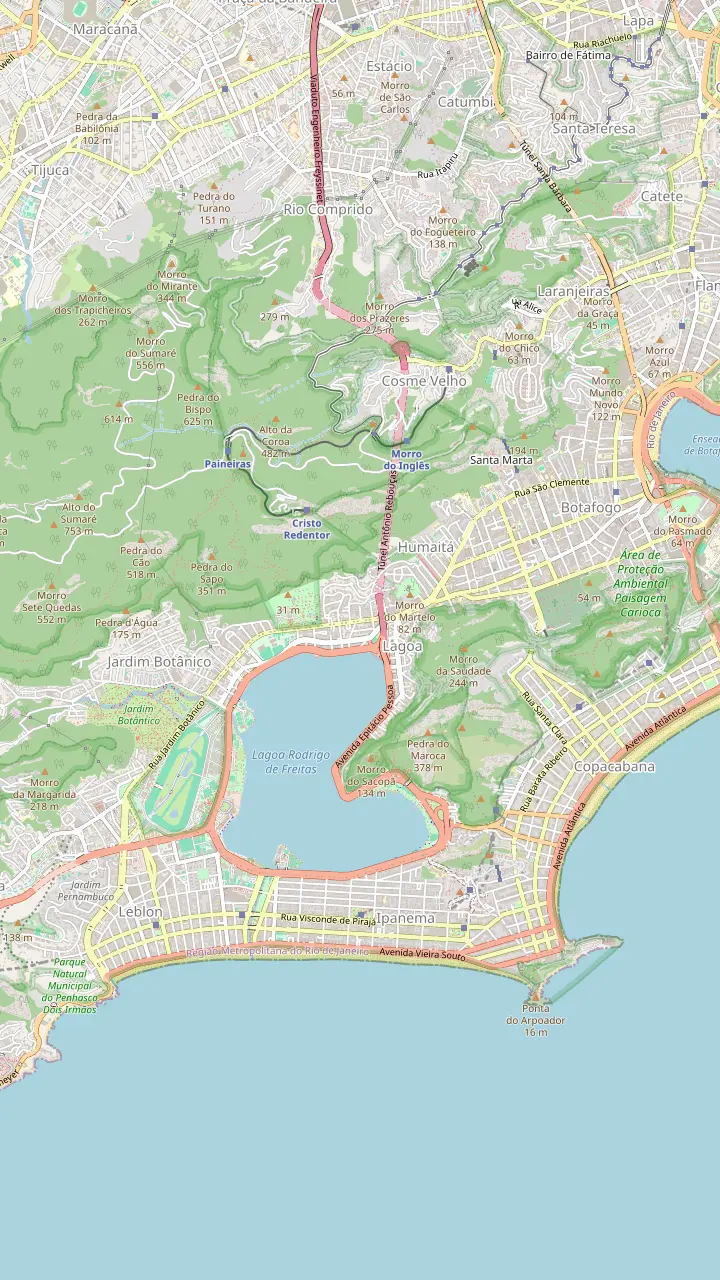
The gate at Rua Jardim Botanico 1008 has ticket offices and is open every day, with bicycle racks.
Google MapsThe Rua Pacheco Leao 101 gate also has a ticket office and is open daily.
Google MapsPraca Santos Dumont has a bike station and city-run metered parking.
Google MapsGarden visitors get a discount on parking here with the stamp from the ticket office.
Google MapsThe free park around the mansion that houses the Parque Lage art school.
Google MapsBus 548 links Botafogo metro station with the garden.
Google Maps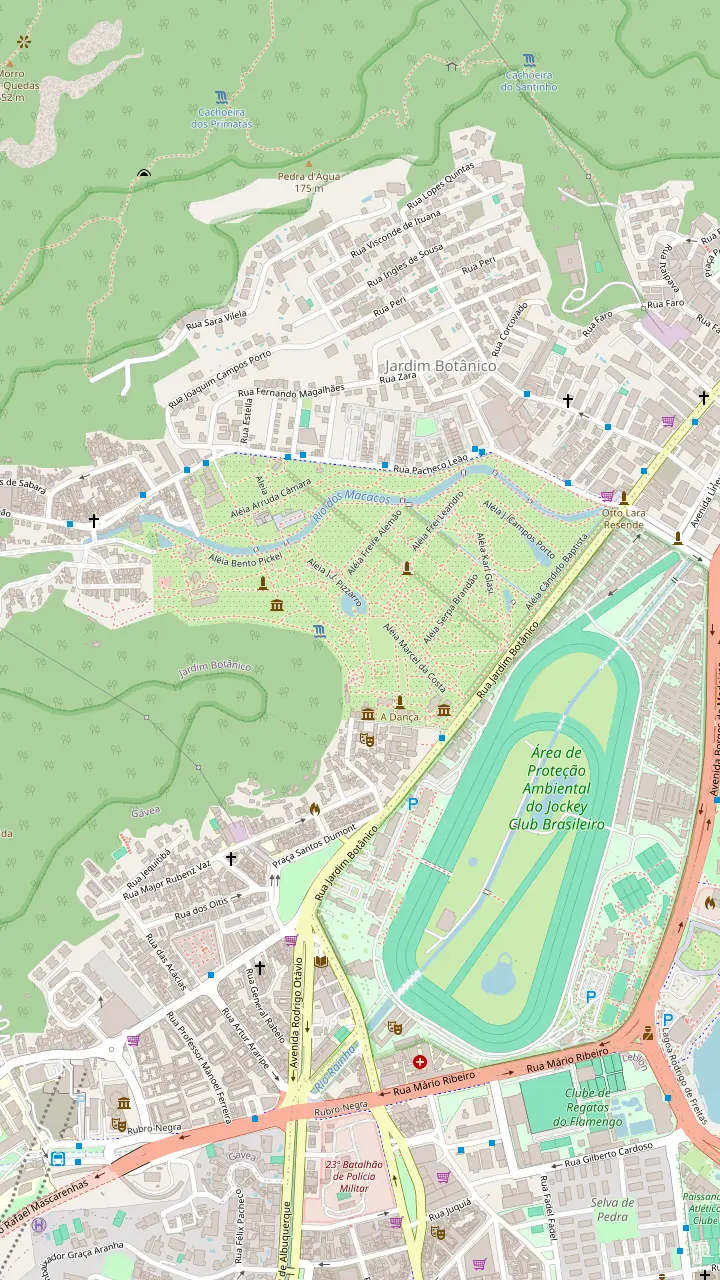
The most famous turtles live at the Turtle Lake and can be seen in the sun every day.
Google MapsThe lake where giant water lilies float and a snake-necked turtle sometimes rests on a pad.
Google MapsThe Japanese Garden dates from 1935 and began with a donation of 65 plants.
Google MapsA named fountain on the garden map. One 4 hour listing names it among its highlights.
Google MapsThe Environment Museum is part of the garden's cultural side.
Google MapsThe Casa dos Pilões, a small museum, is named among the points a 5 hour private tour visits.
Google MapsThe glass orchid house is an icon of the garden, with an outdoor orchid garden around it.
Google Maps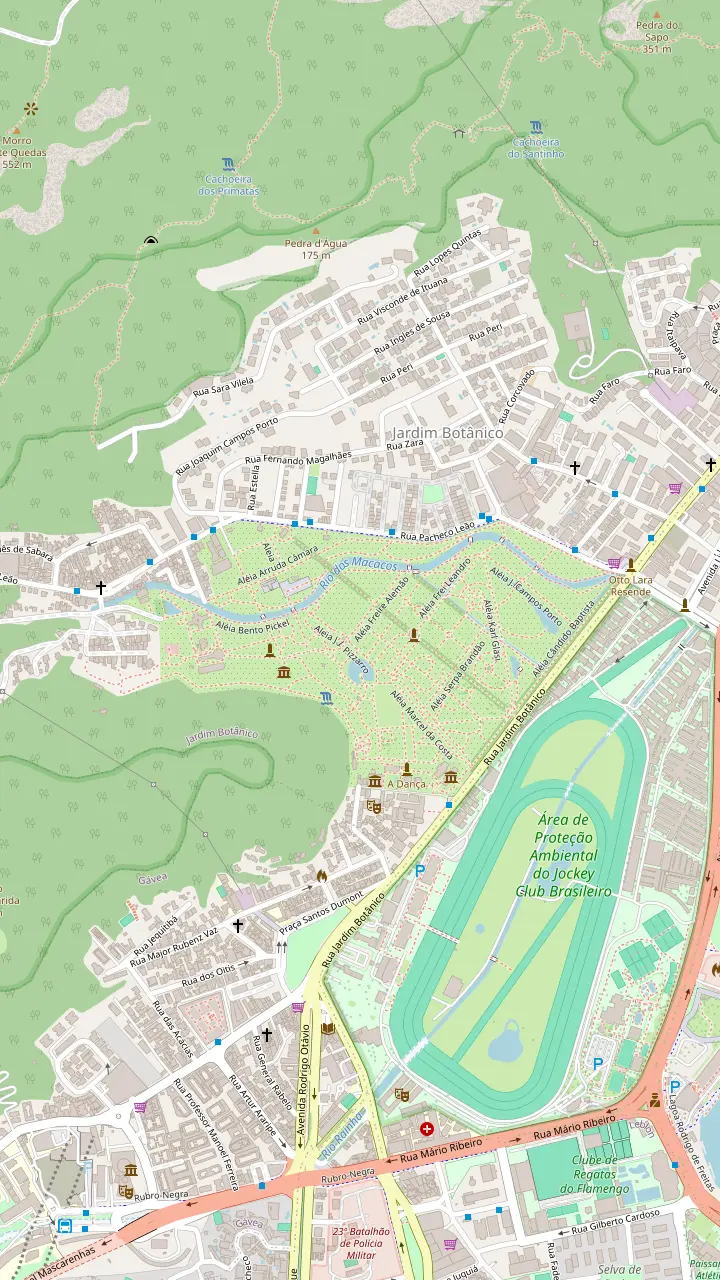
A named fountain on the garden map. One 4 hour listing names it among its highlights.
Google MapsThe lake where giant water lilies float and a snake-necked turtle sometimes rests on a pad.
Google MapsThe glass orchid house is an icon of the garden, with an outdoor orchid garden around it.
Google MapsThe Bromeliario honours Roberto Burle Marx and opened in 1975.
Google MapsThe Japanese Garden dates from 1935 and began with a donation of 65 plants.
Google MapsThe Portal of the Academy of Fine Arts was designed by Grandjean de Montigny.
Google MapsThe Sensory Garden is a stop on the 4 hour site tour.
Google Maps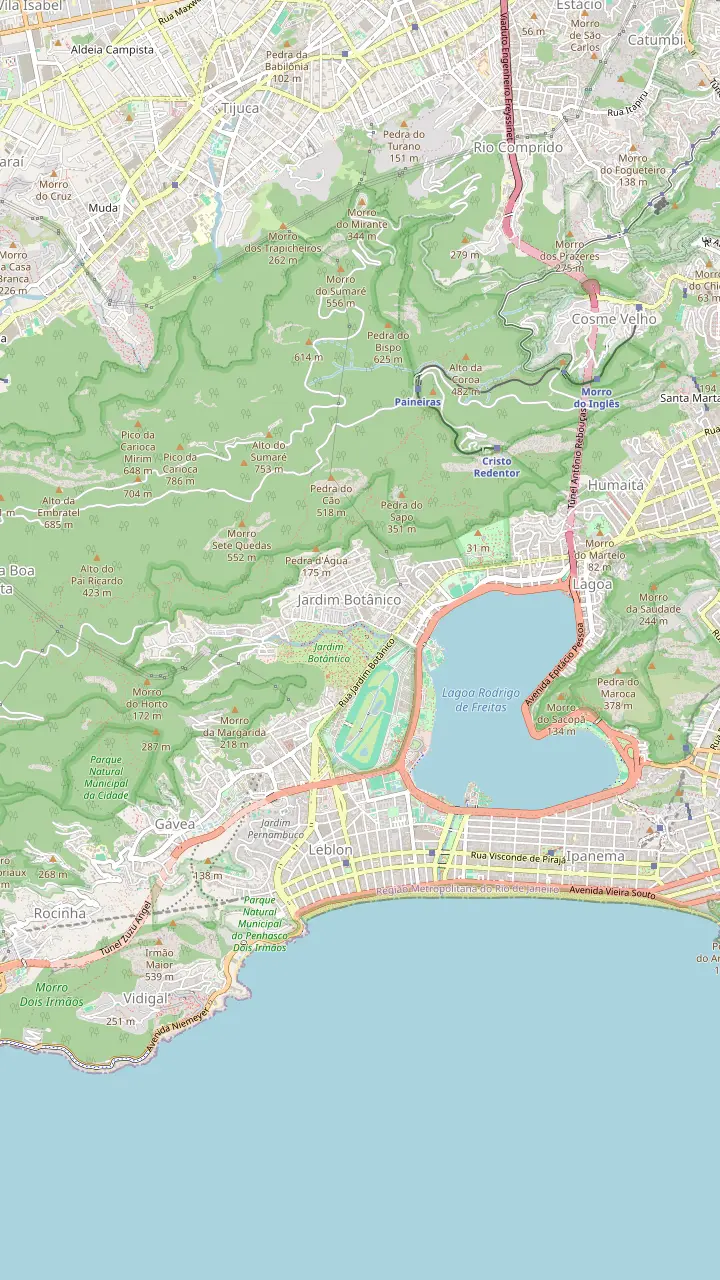
The free park around the mansion that houses the Parque Lage art school.
Google MapsAn aquarium built into the park, which Riotur counts among the park's caves and fish wall displays.
Google MapsThe gate at Rua Jardim Botanico 1008 has ticket offices and is open every day, with bicycle racks.
Google MapsThe Rua Pacheco Leao 101 gate also has a ticket office and is open daily.
Google MapsHorto is the district beyond the Rua Pacheco Leao end of the garden.
Google MapsGarden visitors get a discount on parking here with the stamp from the ticket office.
Google MapsPraca Santos Dumont has a bike station and city-run metered parking.
Google MapsThe path around the lagoon is 8 km long.
Google MapsMapping data © OpenStreetMap contributors
The palms, the glasshouses, the lakes and the quieter corners of the garden, placed on a map and strung into a route you can walk at your own pace.
Editorial team, botanicalgardenrio.click · Updated November 12, 2026 · Takes 8 min
Facts at a glance
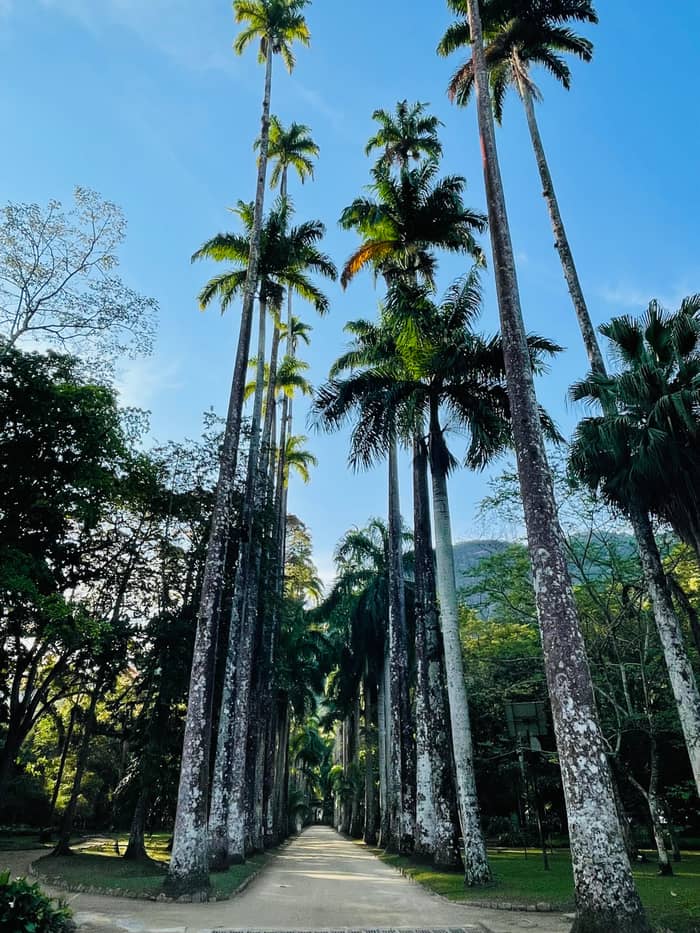
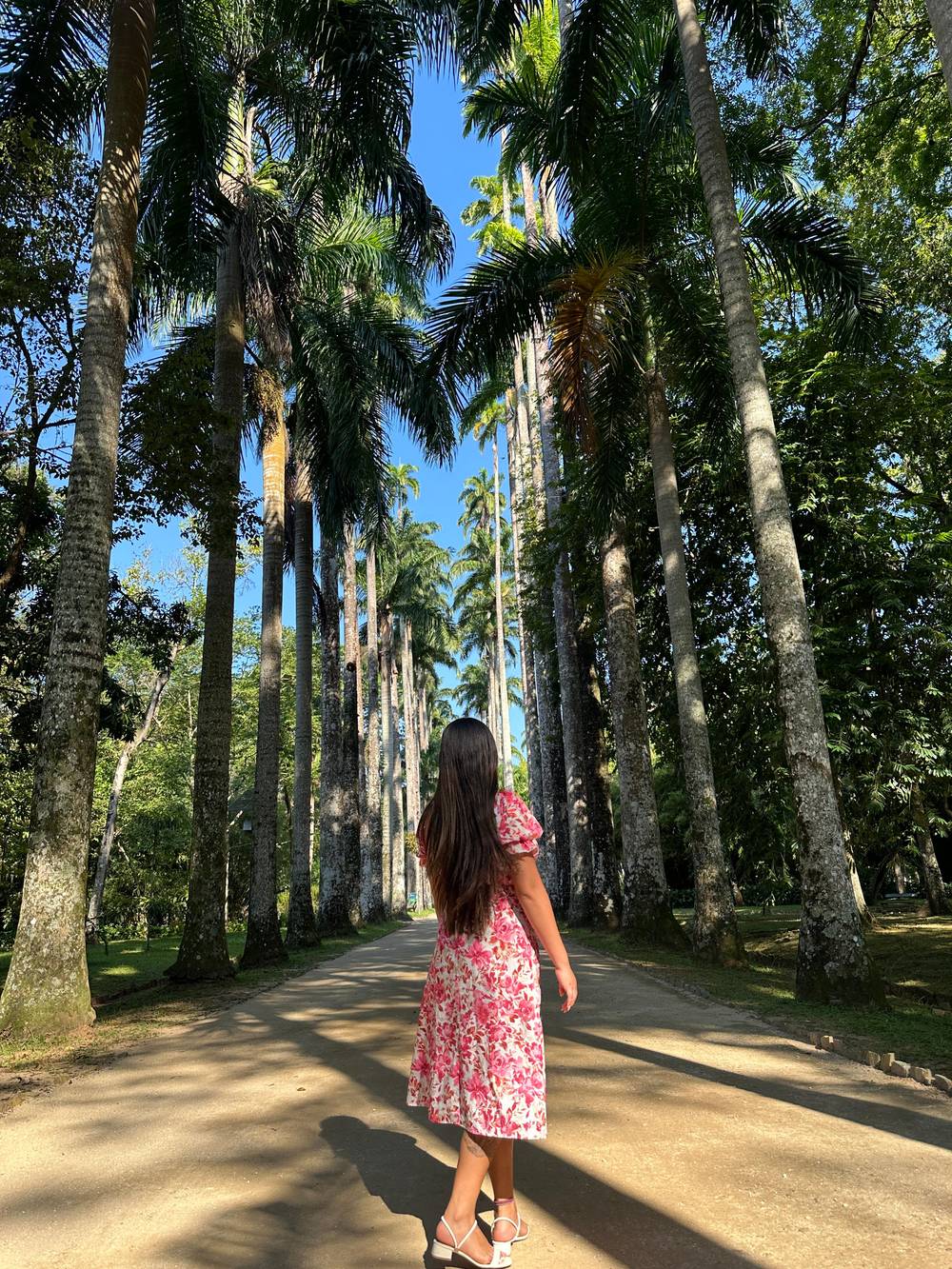
Anyone typing o que ver no Jardim Botânico do Rio de Janeiro wants the same thing in the end, a route. Walk in through the main gate and you meet the garden's best-known feature almost at once: a straight alley of imperial palms, tall grey trunks in a long colonnade with the canopy closing far overhead. The history page credits the director Bernardo Serpa Brandão, in post until 1851,6 with creating the Roystonea oleracea alley, which it calls the institution's main symbol.1 It is the picture on every postcard and the natural first stop of any route, so give it unhurried minutes before you move on.
The palms come with a good story. A legend recorded by the garden says the imperial palm began to bear fruit in 1829, that the director had every seed burned each year to protect the garden's monopoly, and that enslaved workers climbed the trunks at night to take and sell the seeds.7 The same legend explains why so many Brazilian farms ended up with alleys of imperial palms.8 Treat it as the garden itself does, as a tale told about the place, and enjoy it while you walk beneath the trees.
If you like to follow a theme, the garden publishes a self-guided Palm Trail with 21 points and an average duration of 1h30.5 A 4 hour guided listing for the garden alone also names the Avenue of Royal Palms among its highlights, together with the Fountain of the Muses and the Japanese Garden. Either way the palms are best taken first, before the heat builds and while the long alley still lies in soft light, with the rest of the garden opening off its sides.
The stops side by side
| Stop | What it is | Good to know |
|---|---|---|
| Palm alley | Imperial palms, Roystonea oleracea | The garden's main symbol1 |
| Orchid house | Glass house plus outdoor garden | 470 species in 90 genera2 |
| Bromeliad house | Honours Roberto Burle Marx | Opened in 19753 |
| Cactus house | Cacti and succulents | About 400 species17 |
| Japanese Garden | Plants donated in 1935 | 65 specimens at the start9 |
| Frei Leandro Lake | Giant water lilies | Snake-necked turtle on the pads4 |
| Gunpowder ruins | Playground and medicinal beds | About 250 medicinal species24 |
Stops drawn from the garden's own pages and from Riotur; positions are on the map above.11
The garden keeps its most delicate plants under glass, and these houses reward a slow look. The orchid collection holds about 7,300 specimens and 470 different species in 90 genera, most of them native.13 The garden calls the glass house an icon, and together with the outdoor Orchid Garden around it, that is the part you can visit.14 Inside, the interest is in the variety of shape, colour and scent, from showy blooms to flowers so small you must lean in to see them.
The Bromeliario honours the artist and landscape designer Roberto Burle Marx. It opened in 1975 and was remodelled in 2007.3 The garden counts about 15,000 bromeliad specimens in two large greenhouses and in beds around the arboretum,15 and the scientific collection alone covers 530 species from Brazilian formations such as the Amazon, Atlantic Forest, restingas and caatingas.16 Bromeliads are the spiky, rosette-shaped plants whose cups hold water, and here you see them in every colour.
There is more under glass than flowers. Riotur lists four greenhouses on the visitor route, devoted to orchids, bromeliads, ferns and insectivorous plants.11 The cactus collection adds roughly 400 species of cacti and succulents, 64 of the cactus family threatened with extinction,17 spread over five greenhouses, themed beds and pergolas.18 The carnivorous plants make a good stop with children: they catch insects with sticky leaves or tube-shaped traps, yet still make their own food from light.
Water shapes much of the garden. Frei Leandro Lake is the stage for the giant water lilies, the round floating pads that spread across the surface in a green mosaic. The garden's animal page mentions a South American snake-necked turtle that lives in this lake and can sometimes be seen resting on a pad or swimming around.4 The lilies and the lake are among the stops named in the garden-only guided listing.
At the Turtle Lake you find exotic turtles that people once abandoned as pets, now basking near the fountain every day.27 They are exotic, so they are not part of the garden's native wildlife, but they are easy to find and a delight for children, which is a good reason to linger by the water. Further on, the Japanese Garden was created in 1935, starting from 65 typical Japanese plants that were donated.9 Its carp are among the exotic fish the garden lists for its lakes.29 These water gardens make a calm contrast with the long, formal palm alley.
History sits among the plants too. The garden began with a powder works and a nursery for foreign plants,30 and in the ruins of the old factory there is now a play area with wooden toys and sand, plus benches, snack tables and toilets, set aside for children aged up to 10.26 Next to them, the medicinal plants collection lies inside the listed wall of the factory and holds about 250 species,12,24 so a single corner links the founding purpose, the family outing and the plants that people have used as remedies.
Pick your route
Weigh your time against your taste and the pins point to a first stop.
If I have a short visit
Palm Trail
It has 21 points and takes about 1h30.5
If I love flowers
Orchid house first
Its visiting area is planned for flowers through the year.25
If I am visiting with children
Playground and carnivorous plants
The play area is set aside for ages up to 10.26
If I want history
Historic Trail
It has 78 points and takes about 2h30.23
If I want animals
Turtle Lake and Frei Leandro Lake
Glasshouse collections compared
For scent and colour
Glass and garden
See the tours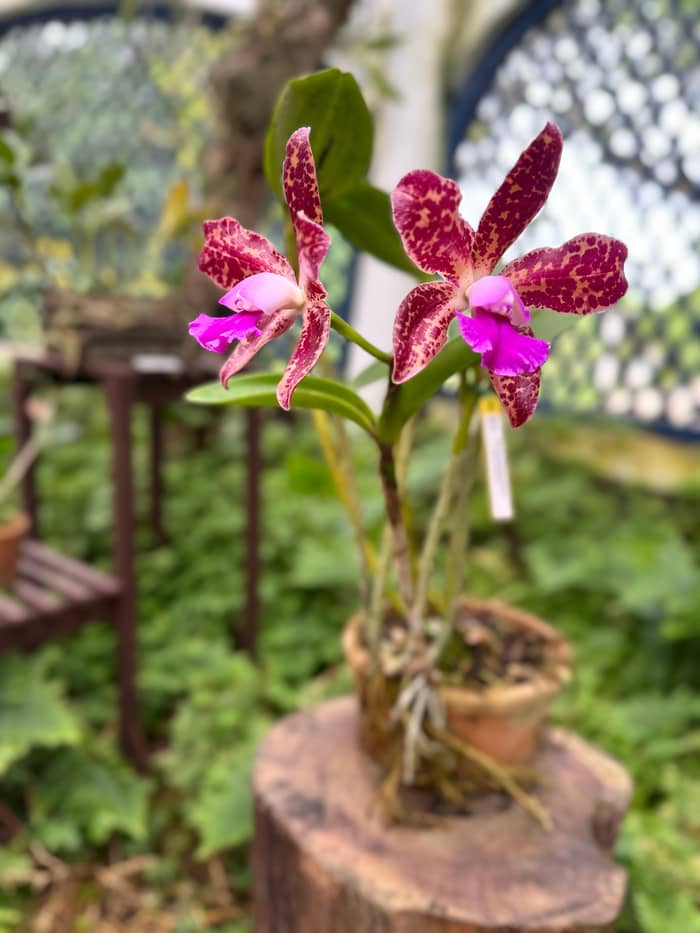
For shape and colour
Burle Marx greenhouse
See the tours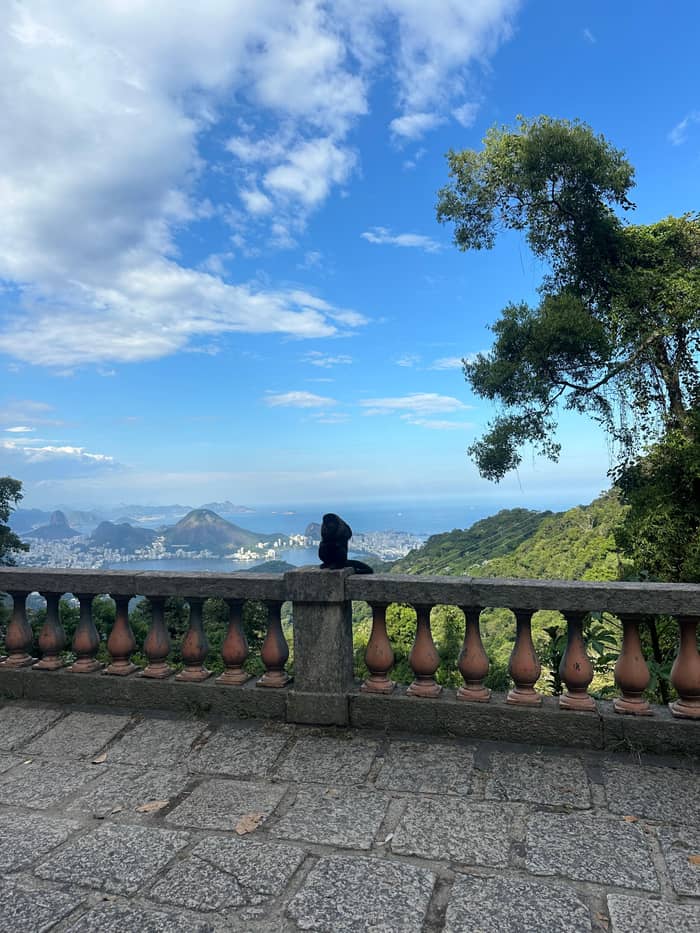
For spines and odd forms
Under glass
See the toursBetween the plantings the garden keeps a small open-air gallery. Riotur singles out the statues of Echo and Narcissus, the work of Mestre Valentim, and the portal of the Academy of Fine Arts, which Grandjean de Montigny designed.10 The portal sits at the western end of the garden near the Pacheco Leão gate, and it makes a good meeting point or a resting place when you cross from one side of the garden to the other.
Art arrived along the paths over time: the history page lists sculptures, bridges, pergolas and fountains alongside the lake, the alleys and the beds.44 Look for those details as you walk: a bridge over a pond, a pergola hung with climbers, a fountain where the paths meet. The Fountain of the Muses is one of the named stops that a guided listing mentions, and it is worth a pause for the sound of water on a warm day.
For something indoors, look to the Environment Museum, which with the Tom Jobim Space carries the garden's cultural strand.38 A small archaeological museum, the Casa dos Pilões, is named among the points that a 5 hour private tour visits. Plan around the museum timetable rather than the grounds: the Museum of the Garden opens Thursday to Tuesday from 10h to 18h, with last entry at 17h, and is closed on Wednesdays.45
Same garden, three ways
Set the party size to price each of the three garden tours.
Side-by-side: 3 options
Set the party size to price each of the three garden tours.
≈
View≈
View≈
ViewAll amounts are from-prices on GetYourGuide, converted at the ECB reference rate. Exact prices are shown at booking.
Walking order
Arrival
The palm alley opens the visit and is the garden's main symbol.1
Early walk
The giant lilies and the 1935 Japanese Garden make the calm middle.9
Mid walk
Look for Echo and Narcissus and the Fountain of the Muses.10
Late walk
Orchids and bromeliads suit the hottest hours.11
Last stop
The old gunpowder wall encloses the medicinal collection.12
For a short visit, make the loop thematic and let the map do the work. The Palm Trail is built for about 1h30 and 21 points,5 and the Giant Trees Trail has 11 points and also averages 1h30.19 Use the Rio botanical garden map above to follow it: walk from the gate down the palm alley, bend toward the lake and the Japanese Garden, then drop into the glasshouses on the way back. You will have seen the signature sights without hurrying, and with time left for a coffee.
For a long visit, add the trails that suit your curiosity. The Endangered Species Trail has 17 points and takes about 1h30,20 the Atlantic Forest Trail has 27 points and takes about 1h30,22 the Amazon Trail has 21 points and about 2h,21 and the Historic Trail has 78 points and about 2h30.23 Do not try to complete them all in one go. A half day lets you finish one long trail and the glasshouses, with a break in the shade between them, which keeps the day relaxed. Wheelchair users should contact the Visitor Centre before the visit,37 and nobody may feed animals or take a plant home.42
Daylight limits the plan: from Thursday through Tuesday the arboretum runs 8h to 17h, while Wednesday starts at 11h and ends at the same time.41 Start early on a hot day, keep the greenhouse visits for the hottest hours, and leave the longest trail for the cooler end of the day. The outdoor Orchid Garden around the glass house is opened from 16 to 18 hours.14 Time your last stop with that in mind if the orchids are your reason for coming.
Video
KaimarkLifestyle on YouTube · Until you tap play, no video is loaded.
There are pergolas and arbors spreading throughout the arboretum, sustaining vines that represent an important part of the scientific collection
Before you walk
A botanical garden is never the same twice. In the orchid area the planting is staggered, so blooms follow one another across the year and something is nearly always in flower.25 The same logic runs through the garden's thematic collections, and its pergolas carry vines that form an important part of the scientific collection.28 If you are travelling for flowers in particular, ask at the Visitor Centre which beds are in bloom on the day, because the garden staff know its own calendar better than any guidebook.
Some of the collections are seasonal by nature. The medicinal plants collection says that many of its species have short life cycles, so the beds are not always in flower or fruit, while perennial plants can be seen all year.46 Hummingbirds are the same: certain species appear only now and then, passing through or lying low in winter.47 You can plan around this by pairing the glasshouses, which keep their plants all year, with the open beds when the weather suits.
There is also a night side to the garden. Frogs and toads are the stars of the guided night walks, along with the bats,48 and the walks last 1h30 for groups of 3 to 20 visitors, with dates listed on the garden's ticket site.49 Wind and storms can change a day's plan: the garden says strong winds may force the arboretum to be evacuated, and asks visitors to leave quickly without running.43 Check the sky as well as the calendar before you go.
FAQ
The garden's history page names the palm alley of Roystonea oleracea as the institution's main symbol.1
The glass house and the outdoor garden around it form the visiting area, and the garden around it is open from 16 to 18 hours.14
The self-guided Palm Trail has 21 points and an average duration of 1h30.5
Riotur says it began with a donation of 65 specimens of typical Japanese plants.9
Wooden toys, sand and benches, aged up to 10.26
The walk lasts 1h30 and its dates are on the garden's ticket site.49
Sources
Planning a day among the palms? Ask a real person.